 Jayashee
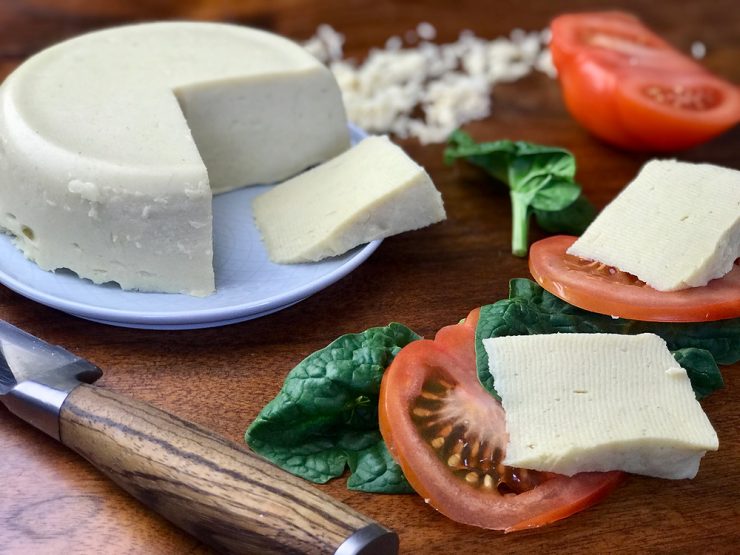
Move over, dairy! There’s a new, plant-based mozzarella in town, and it’s surprisingly creamy, delightfully stretchy, and made from humble oats. If you’ve ever gazed longingly at a pizza bubbling with cheese or craved a caprese salad but wanted to skip the dairy, this Cultured Oat Mozzarella Cheese Recipe is your golden ticket. Forget the long list of unpronounceable ingredients in store-bought vegan cheeses. This version relies on simple, wholesome components transformed by the magic of fermentation. It’s not just cheese; it’s cultured cheese, meaning we’re giving those friendly bacteria time to work their tangy, complex magic, resulting in a depth of flavor that’ll make your taste buds sing. Get ready to impress yourself (and maybe some skeptical friends!) with this surprisingly authentic-tasting Cultured Oat Mozzarella Cheese.
1. How to make Cultured Oat Mozzarella Cheese
Making Cultured Oat Mozzarella Cheese might sound like advanced wizardry, but it’s actually quite approachable! Think of it like nurturing a little cheesy pet – you feed it, keep it warm, and it rewards you with deliciousness. The key steps involve blending creamy oats, introducing friendly bacteria (probiotics), letting it ferment for that signature tang, then cooking and stretching it with the magic of tapioca starch and kappa carrageenan. Don’t worry if it feels unfamiliar; we’ll walk you through each step. The result? A remarkably melty, stretchy, and satisfyingly cheesy experience that’s perfect for pizzas, pastas, and more. Let’s gather our ingredients and get culturing!
1.1 Ingredients:
- 1 cup (100g) Rolled Oats (Gluten-Free Certified if needed): The base of our cheesy dream! Provides creaminess and body. Don’t use instant oats.
- 3 cups (720ml) Filtered Water: Chlorinated tap water can hinder the probiotics, so filtered is best.
- 1/4 cup (30g) Raw Cashews, soaked 4+ hours & drained: Adds essential richness and helps with the texture. Soaking is non-negotiable for smooth blending!
- 2 Probiotic Capsules (or 1/4 tsp Probiotic Powder – Acidophilus/Bifidus blend): Our “cheese cultures”! This is what creates the tang during fermentation. Empty the powder from the capsules, discard the shell. Ensure capsules contain only bacteria, no fillers/prebiotics.
- 1/4 cup (30g) Nutritional Yeast: For that essential cheesy, umami flavor punch.
- 1 tbsp (15ml) Lemon Juice: Brightens the flavor and adds acidity.
- 1 tbsp (8g) Tapioca Starch (or Arrowroot Powder): The key to that glorious melt and stretch! Crucial for texture.
- 1 tsp (3g) Kappa Carrageenan: A natural seaweed extract that provides the firm, sliceable texture when cooled and ensures it melts without turning soupy. Not optional for authentic texture.
- 1 tsp (5g) Fine Sea Salt: Enhances all the flavors.
- 1/2 tsp Garlic Powder (Optional): Adds a subtle savory depth. Onion powder works too.
1.2 Instructions:
- Blend the Base: Combine soaked/drained cashews, rolled oats, and filtered water in a high-speed blender. Blend on high for 1-2 minutes until completely smooth and creamy, like thick oat milk. No graininess allowed!
- Incorporate Cultures & Flavor: Pour the blended mixture into a clean glass bowl. Stir in the contents of the probiotic capsules (or powder), nutritional yeast, lemon juice, and optional garlic powder. Stir gently but thoroughly until everything is well combined.
- Ferment: Cover the bowl tightly with plastic wrap or a clean lid. Place it in a warm, draft-free spot (like an oven with just the light on, or on top of the fridge) for 24-36 hours. You’re looking for a slightly tangy smell and maybe some bubbles – it shouldn’t smell bad, just pleasantly sour like yogurt. This culturing step develops the cheesy flavor!
- Prepare the Setting Agents: After fermentation, give the mixture a good stir. It might have separated slightly – that’s normal. Blend it again briefly (10-15 seconds) to recombine. Pour the fermented mixture back into the blender. Add the tapioca starch, kappa carrageenan, and salt.
- Cook to Thicken: Blend everything on high until completely smooth. Pour the mixture into a medium saucepan. Cook over medium heat, whisking CONSTANTLY. This is crucial! It will start off thin but thicken dramatically within 5-8 minutes. Keep whisking until it becomes very thick, glossy, and pulls away from the sides of the pan like a stretchy dough or thick pudding.
- Set the Cheese: Immediately pour the hot, thick cheese mixture into a heatproof container lightly oiled with neutral oil (like refined coconut or avocado oil) or lined with plastic wrap for easier removal. Smooth the top. Let it cool uncovered at room temperature for about 30 minutes, then cover and refrigerate for at least 4-6 hours, or preferably overnight, to fully set and develop its texture.
- Enjoy Your Creation: Once completely chilled and firm, your Cultured Oat Mozzarella is ready! Unmold it, slice it, shred it, or tear it. Use it cold on salads or sandwiches, or melt it on pizzas, in lasagnas, or for grilled cheeses!
2. Tips for the Perfect Dish
- Blend, Blend, Blend! Achieving a completely smooth oat/cashew mixture before fermenting is non-negotiable. Any grittiness will remain in the final cheese. Use a powerful blender and blend for a full 1-2 minutes.
- Patience is Key (Fermentation): Don’t rush the 24-36 hour ferment. This is where the complex, cheesy tang develops. If your kitchen is cool, it might take the full 36 hours. Trust your nose – it should smell tangy and yogurty, not foul.
- Whisk Like Your Melt Depends On It (Because It Does!): When cooking the mixture with the thickeners, whisk constantly and vigorously. If you stop, lumps will form, and it can scorch easily on the bottom. This step transforms it!
- Kappa Carrageenan is Your Friend: While it sounds fancy, kappa carrageenan (derived from seaweed) is essential for achieving the firm-yet-melty texture of traditional mozzarella. Don’t omit it or substitute with agar – they behave very differently. Find it online or in health food stores.
- Salt Savvy: Taste the mixture after adding the salt but before cooking. Oats can vary in flavor. Adjust the salt slightly if needed. Remember, salt enhances all the other flavors.
- Cool Completely: Resist the urge to use the cheese before it’s fully chilled and set (overnight is best). This allows the carrageenan to fully gel, giving you the perfect sliceable texture.
- Melting Magic: This cheese melts beautifully! For pizza, tear or shred it onto your pie after baking the crust for 5-7 minutes first. Then return to oven until bubbly and golden. Prevents burning.
- Storing Your Stash: Store the cheese block tightly wrapped in the fridge for up to 1 week. The texture might firm up slightly over time but remains sliceable and meltable.
- Soak Those Cashews! Seriously, don’t skip soaking the cashews for at least 4 hours (overnight is easiest). This softens them for a perfectly smooth blend. Drain them well afterwards.
- Warm Fermentation Spot: If your house is cool (below 70°F/21°C), finding a warm spot is crucial. An oven with just the light on usually creates the perfect 75-80°F (24-27°C) environment. A seedling mat under the bowl works too.
- Acidity Check: If your cheese isn’t tangy enough after fermenting, add another 1/2 tsp lemon juice to the blend before adding thickeners and cooking.
- Re-blending Post-Ferment: Fermentation can cause slight separation. Blending it again briefly before adding the thickeners ensures a smooth base for your perfect cheese.
- Oil Your Mold: Lightly oiling your container before pouring in the hot cheese makes unmolding significantly easier. Use a neutral-flavored oil.
- Embrace Imperfection: Your first batch might not be identical to dairy mozzarella, and that’s okay! It has its own unique, delicious character. Celebrate the plant-based win!
3. What to serve with
Your homemade Cultured Oat Mozzarella Cheese is incredibly versatile, bringing creamy, melty goodness to countless dishes. Think beyond the pizza box! Its mild, tangy flavor and fantastic melt make it a star player in both classic and creative plant-based meals. Here’s how to showcase your cheesy masterpiece:
- The Ultimate Vegan Pizza: This is its true calling! Tear or shred the cheese over your favorite pizza sauce and toppings. Bake until gloriously bubbly and slightly browned. Taste the dairy-free dream!
- Classic Caprese Reinvented: Layer thick slices of your oat mozzarella with juicy tomato slices and fresh basil leaves. Drizzle generously with good quality olive oil, balsamic glaze, and a sprinkle of salt and pepper. Summer on a plate!
- Hearty Lasagna Layers: Replace ricotta and dairy mozzarella layers in your favorite lasagna recipe with slices or dollops of this oat cheese. It melts beautifully between pasta sheets and sauce. Comfort food, upgraded.
- Grilled Cheese Glory: Make the ultimate vegan grilled cheese sandwich. Layer slices between buttered (vegan butter, of course!) bread and grill to golden perfection. Dip in tomato soup! Pure nostalgia, plant-based style.
- Creamy Pasta Bakes: Stir shredded oat mozzarella into hot pasta with your favorite sauce (marinara, pesto, alfredo) for instant creaminess, or layer it on top of a pasta bake for a golden, cheesy crust. Mac and “cheese” gets a gourmet twist.
- Stuffed Shells or Cannelloni: Blend the cheese with some herbs and spinach, pipe it into cooked pasta shells or cannelloni tubes, top with marinara sauce and more shredded cheese, then bake. Impressive and delicious.
- Gourmet Salads: Cube the cheese and add it to grain bowls, chopped salads (like a vegan panzanella), or alongside roasted vegetables. It adds satisfying protein and creamy texture. Far from boring rabbit food!
- Appetizer Platter Star: Serve slices or cubes alongside olives, marinated artichokes, roasted peppers, crackers, and crusty bread. A beautiful and tasty centerpiece. Perfect for gatherings.
- Savory Breakfast Bakes: Crumble or cube the cheese into tofu scrambles, vegan frittatas, or breakfast casseroles. Melty cheese makes breakfast better.
- “Cheesy” Garlic Bread: Spread garlic-infused vegan butter on bread, top with shredded oat mozzarella, and broil until melted and golden. Irresistible side dish.
4. Ingredients Substitutes
While the core recipe works best as written, sometimes you need flexibility! Here are potential substitutes for key ingredients in your Cultured Oat Mozzarella Cheese, keeping in mind texture and flavor might vary slightly. Aim for the original for the best authentic result, but these can work in a pinch.
4.1 Substitutes for Rolled Oats:
- Quick Oats (Not Instant): Can be used in an absolute pinch, but blend EXTRA well as they can make the mixture slightly gummier. Texture might be a bit less smooth. Not ideal, but possible.
- Gluten-Free Oat Flour: Use 1 cup (120g) certified GF oat flour instead of rolled oats. Skip the initial blending step for the oats themselves, just blend the flour with the water and soaked cashews. Watch the thickness – you might need a tiny splash more water.
4.2 Substitutes for Cashews:
- Blanched Almonds: Soak 1/4 cup blanched almonds (skins removed) for 4+ hours. They add richness but have a slightly stronger flavor than cashews. Blend very well.
- Raw Sunflower Seeds: Soak 1/4 cup raw sunflower seeds for 4+ hours. Provides richness and a neutral flavor. May give a very slight greenish tint, but works well! A great nut-free option.
4.3 Substitutes for Probiotic Capsules/Powder:
- Vegan Yogurt Starter Culture: Follow the package instructions for the amount equivalent to culturing about 3 cups of liquid. This is a direct substitute for the probiotics.
- 1/4 cup Unsweetened Plain Vegan Yogurt (with live cultures): Ensure it contains active cultures (lactobacillus/acidophilus). Stir it in instead of the probiotic powder. The flavor profile might be slightly different depending on the yogurt base.
4.4 Substitutes for Tapioca Starch:
- Arrowroot Powder: Use the same amount (1 tbsp). It provides a similar glossy, stretchy melt. It can sometimes result in a slightly stringier texture than tapioca.
- Potato Starch: Use the same amount (1 tbsp). It thickens well and provides some stretch, but the melt might be slightly less glossy and more “gooey” than tapioca/arrowroot.
4.5 Substitutes for Kappa Carrageenan:
- None (Texture Compromise): Omitting it will result in a cheese that’s delicious but much softer, more like a very thick spread or ricotta when cold. It won’t slice neatly and will melt into more of a sauce than stretchy cheese. Strongly recommended to use it.
- Agar Agar Powder (Not Flakes): Use 1 tsp agar powder. Dissolve it in 2 tbsp cold water first, then whisk into the cold fermented mixture before blending with thickeners. Bring the entire mixture to a boil while whisking constantly, then simmer for 2-3 minutes. Pour into mold. Texture will be firm and sliceable when cold but does NOT melt like mozzarella; it softens slightly but remains intact. Best for cold uses like caprese.
5. Final Thoughts
Making your own Cultured Oat Mozzarella Cheese is a rewarding adventure into plant-based dairy magic. It might seem involved at first glance, but breaking it down into simple steps – blending, fermenting, cooking, setting – makes it totally achievable. Embrace the process, learn from each batch (your first might not be perfect, and that’s okay!), and savor the incredible satisfaction of pulling a pizza topped with your own homemade, melty, stretchy vegan cheese out of the oven. This recipe proves that delicious, satisfying cheese doesn’t need dairy. Give it a try, and unlock a world of creamy, cheesy plant-based possibilities!
6. Important Data
- 6.1 Serving for how many: Makes one cheese block (approx. 12-14 oz / 350-400g), suitable for 1 large pizza or 4-6 servings as part of dishes like caprese, pasta, etc.
- 6.2 Preparation time: 30 minutes (active), plus soaking & fermenting time.
- 6.3 Cooking time: 10 minutes.
- 6.4 Number calories for this recipe per serving (based on 6 servings): ~180 kcal (Estimates vary based on oat milk fat content and specific ingredients used. This is a reasonable average).
- 6.5 Fat for the recipe (in grams) per serving (based on 6 servings): ~9g (Primarily from cashews and oats. This is an estimate).




Add comment